Dimitry Solunsky
How to choose a safe?
In six steps, define the contents, risk, size, grade, lock and installation method.
Choosing a safe starts not with the brand or lock keypad, but with what you need to store and the risks involved. Below is a sequence to help you compare models using the same criteria.
1. Identify what you need to store
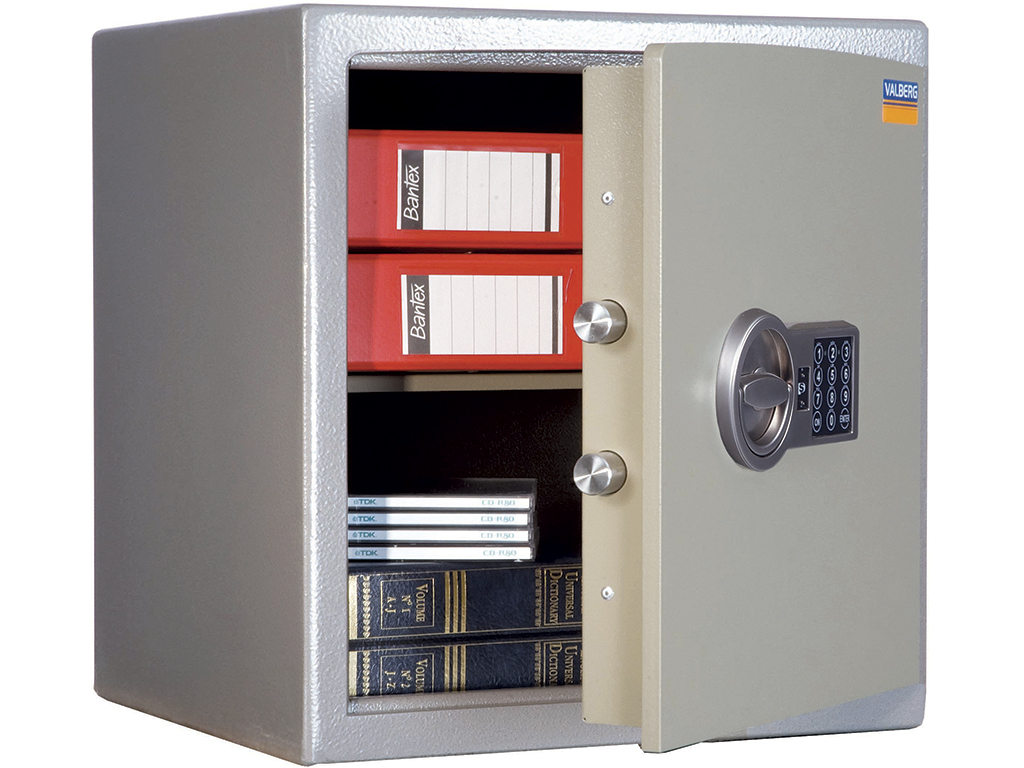
Make a list and measure the largest item. For folders, shelf width matters; for jewellery, internal compartments; for equipment, the door opening. Allow extra space: a safe is usually bought for many years.
2. Identify the main risk
Protection against burglary, fire and water are different characteristics. Burglary resistance is important for cash and jewellery. Paper documents may require fire resistance more. In areas with a risk of flooding, check water protection separately.
3. Check certification
The grade should be stated on the label and in the documentation. Do not compare safes by door thickness or weight alone. A certified model has been tested to a specific standard. Our guide to safe grades explains the differences.
4. Choose the lock
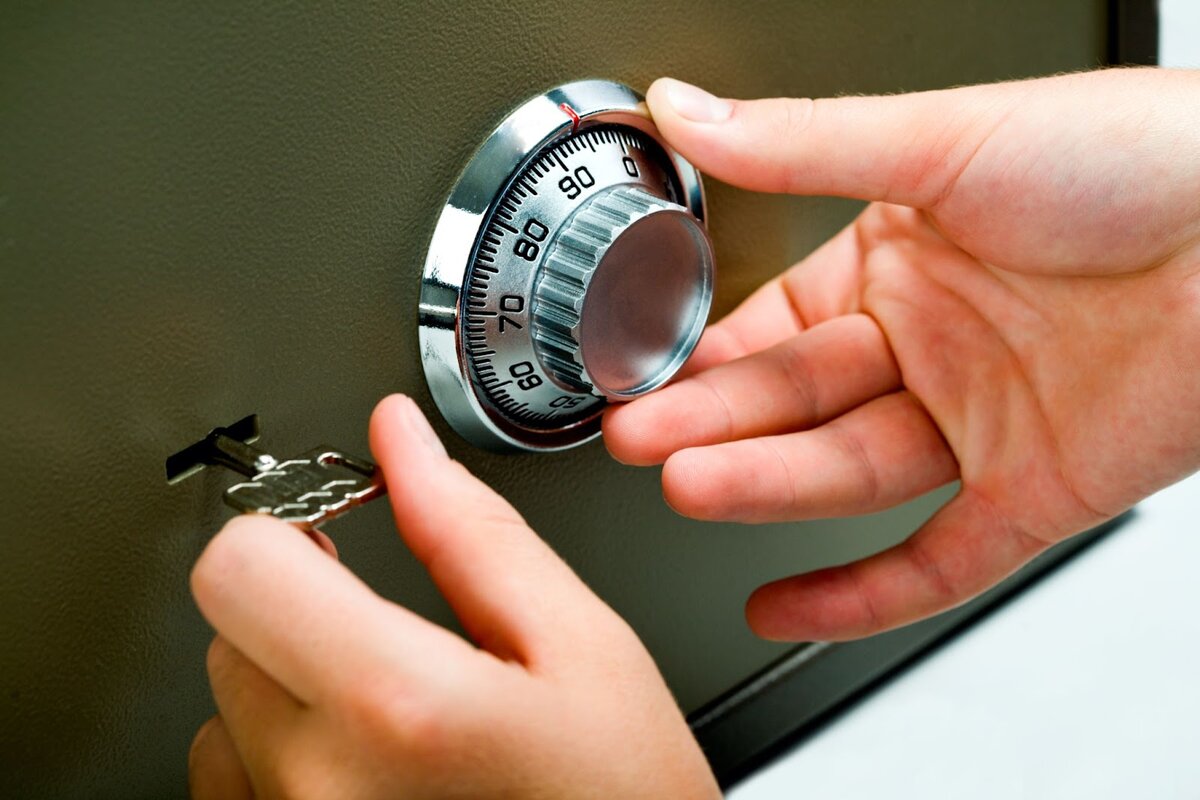
A mechanical key does not require batteries. An electronic code is convenient for frequent use and multiple users. Biometrics can speed up access, but check the emergency opening method, user management and model documentation.
5. Find an installation location
Before ordering, measure the delivery route and the intended recess. Check the base material, floor load-bearing capacity and door opening direction. A small safe is usually anchored to the wall or floor according to the manufacturer's instructions.
6. Compare the total cost
Consider delivery, carrying, fixings, installation and lock maintenance. The cheapest model will not help if the contents do not fit or the safe cannot be securely anchored.
Quick selection guide
- For home use and personal documents: home safes.
- For office documents and cash: office safes.
- Where there is an increased risk of theft: burglary-resistant safes.
- For paper documents where there is a risk of fire: fire-resistant safes.
If the criteria are clear, compare models in the all safes section. If you are unsure where to begin, use a selection adviser or contact a specialist.