Dimitry Solunsky
Mechanical or electronic lock: which should you choose?
Comparing convenience, maintenance and what to do if access is lost.
The lock type alone does not make one safe more secure than another. First, assess the safe's construction and certification. The lock determines day-to-day ease of use and maintenance requirements.
Mechanical key lock
This is a straightforward option if the safe is opened infrequently and the key can be stored in a place accessible only to the owner. No batteries are needed, and there is no code to remember. The main risk is losing the key or storing it near the safe.
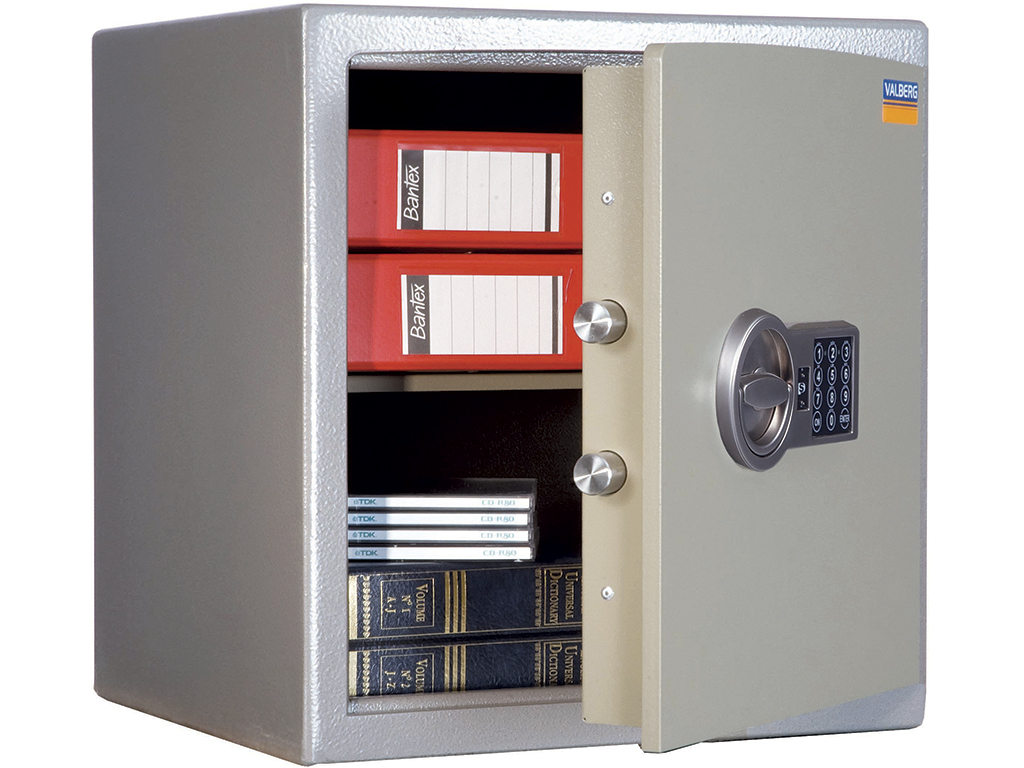
Electronic combination lock
A code is convenient for regular use or access by several authorised people. There is no need to carry a physical key, but the code should be chosen carefully and changed periodically. Replace batteries according to the manufacturer's instructions, without delaying replacement after a warning signal.
Brief comparison
| Criterion | Mechanical | Electronic |
|---|---|---|
| Opening | With a key | With a code |
| Maintenance | Key control | Battery replacement |
| Multiple users | Copies need to be controlled | Some models offer multiple codes |
| Loss of access | Key lost | Code forgotten or batteries depleted |
How to decide
For a home where the safe is opened a few times a month, both options are suitable. In an office, an electronic lock is often more convenient: there is no need to pass a key between employees. If you need a simple design without batteries, choose a mechanical lock.
Before purchasing, also compare the size, security grade and anchoring method. Start with our safe selection guide or browse the safe catalogue.